

Ah, spring. The time for blooming flowers, longer walks, and the sound of birds chirping. But for many dog parents, this season also brings a less-than-welcome guest: dog allergies. Just like humans, dogs can suffer from seasonal allergies (atopy) triggered by pollen, mold, dust mites, and more.
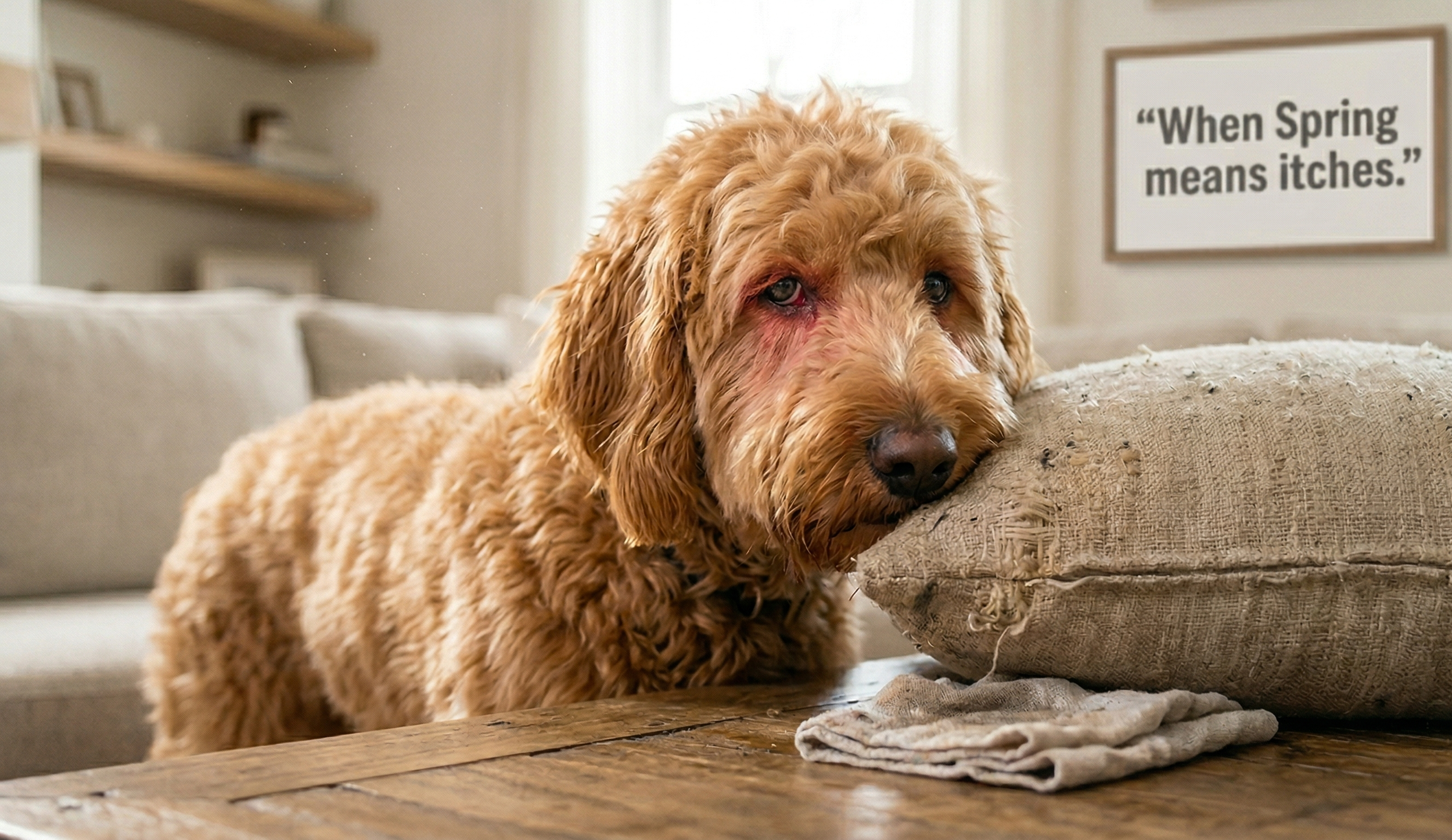
However, dogs rarely experience the same "hay fever" symptoms we do (runny nose, itchy eyes). For dogs, the skin is the primary barrier, and allergies often manifest as intense, unrelenting itchiness.
How to Spot the Signs: Is Your Dog Itchy or Allergic?
The signs can be subtle, but if your dog is exhibiting these behaviors, it’s time to pay attention:
Persistent Scratching or Licking: This is the hallmark. It might focus on the paws, the face, or the belly.
Paw Chewing: Dogs frequently express skin discomfort by chewing or obsessively licking their feet.
Red, Inflamed Skin: Check under the fur. Irritated skin often appears red, especially on the stomach, armpits, and groin.
Chronic Ear Infections: Repeated ear issues are very commonly linked to underlying environmental allergies.
Facial Rubbing: Pushing their snout into the carpet or against furniture is another way dogs seek relief.
-
It’s heartbreaking to see your best friend uncomfortable. While some cases require veterinary prescription medications, here are several steps you can take at home to ease the itch and manage the inflammatory cascade:
1. Wipe Down After Walks
Every time your dog comes in from outside, they are bringing millions of microscopic pollen particles back with them, stuck to their fur and paws. Keep a stack of hypoallergenic, grooming wipes (or just a damp washcloth) by the door. Thoroughly wipe down their paws, belly, and face to reduce the allergen load on their skin.
2. Increase the Bathing Frequency
A warm (not hot!) bath with a gentle, moisturizing shampoo can provide immediate relief. Look for ingredients like colloidal oatmeal, aloe vera, or green tea extract, which are excellent for soothing inflamed skin. Bathing washes away the allergens that wiping missed. Aim for once a week during peak season.
3. Support from the Inside: Incorporate Functional Food
Nutrition plays a profound role in how the body handles inflammation. An excellent tool in your allergy arsenal is incorporating high-quality whole foods known to support skin health and regulate the immune response.
Omega-3 Fatty Acids (Fish Oil): These are potent anti-inflammatories. Supplementing with a high-quality, pure fish oil (EPA and DHA) can significantly strengthen the skin barrier and reduce overall systemic inflammation.
Gut Health Support: A substantial portion of the immune system resides in the gut. Feeding probiotics (like those found in goat’s milk or certain chews) and prebiotics (like chicory root) helps balance the microbiome, which can, in turn, calm an overreactive immune system.
-
This is where thoughtful formulation becomes essential. When we developed Chester’s Wellness Bites, we focused specifically on the "food as medicine" approach, utilizing real ingredients like blueberries and sweet potatoes. These aren't just for flavor; they are rich in natural antioxidants and Vitamin A, which are critical for supporting cellular repair in the skin.
When selecting any treat—including ours—always review the ingredients. You want to see functional, whole foods that support vital systems, rather than fillers that can sometimes exacerbate sensitivities.
Knowing When to Call the Vet
Home management is a fantastic first step, but environmental allergies can progress to severe discomfort and secondary skin infections (yeast or bacterial) very quickly. If your dog is chewing themselves raw, causing hair loss, or if the itching prevents them from sleeping or relaxing, it is crucial to consult your veterinarian. They can explore targeted allergy medications, immunotherapy (allergy shots or drops), and diagnostic testing to identify the specific triggers.
Allergy season is a marathon, not a sprint. By combining a pro-active hygiene routine with a targeted nutritional approach, you can help your dog navigate the spring and summer comfortably, focusing on the fun of the season, not the itch.
What is your go-to tips for keeping your pup comfortable during allergy season? Share your stories and advice in the comments below!